
Community Gardens, Pollinator Gardens and Food Forests
About Community Gardens
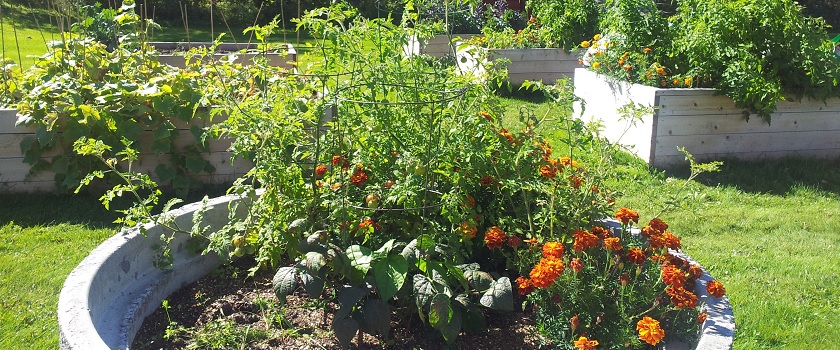
A community garden is a shared space where people come together to grow food, cultivate relationships, strengthen their neighbourhoods and build community. These gardens provide access to land within the City’s parks, on other city-owned properties as well as on privately owned land. Participants grow a variety of produce, edible berries, flowers and native and ornamental plants.
Participating in a community garden contributes to:
- Food security
- Community development
- Civic participation
- Neighborhood revitalization
- Environmental awareness
- Individual mental and physical health and wellbeing
Community Gardens in Greater Sudbury
Greater Sudbury has 40 community gardens, with many featuring a mix of individual and communal areas. Some also include food forests and pollinator gardens. More than 30 of the gardens are on City-owned land and are managed by volunteer co-ordinators.
There are several types of community gardens, and they vary widely in terms of structure, access and purpose. Many gardens include some type of donation based designated area of the garden, known as a benevolent garden, such as the ‘Grow-a-Row’ program, which encourages gardeners to share fresh produce with local organizations and food banks. While many gardens charge a small membership fee, most are free to join. All gardeners, even those with assigned plots, contribute to the upkeep of the garden, promoting a shared sense of responsibility.
Types of Community Gardens
Community gardens are inclusive spaces open to anyone who wants to get involved. While some allotment gardens may charge a small membership or plot fee to cover materials and maintenance, many are free to participate in. Several gardens also include donation-based areas, or benevolent gardens, like the ‘Grow-a-Row’ program, which encourages gardeners to share fresh produce with food banks and community organizations. Whether tending to individual plots or collaborating on communal gardens, all gardeners contribute to the upkeep of the space. This shared responsibility nurtures a stronger sense of community, fostering engagement and collective ownership, where everyone plays a role in the garden's success.
Pollinator Gardens
Pollinator gardens are specially designed spaces that provide food and habitat for pollinators such as bees, butterflies, and other insects, which are essential to ecosystems and the production of food. These gardens often feature a variety of native plants that offer nectar, pollen, and shelter for pollinators, contributing to local biodiversity and raising awareness about the crucial role these insects play in food security and ecological health. Many community gardens across Greater Sudbury have embraced pollinator-friendly practices, incorporating these vital plants into their spaces.
Food Forests
Food forests are low-maintenance gardens that mimic natural woodlands, featuring edible plants such as berry shrubs, fruit and nut trees, and perennials. By applying permaculture principles, food forests create self-sustaining ecosystems that enhance biodiversity. Once established, they require minimal upkeep while providing a consistent and sustainable source of fresh local food.
The first community food forest in Greater Sudbury was established at Delki Dozzi Park in 2017, thanks to the efforts of Sudbury Shared Harvest, a charitable, non-profit focused on cultivating community health through local food initiatives. Since then, more food forests have been established across the city, with the aim of having one in each of Sudbury's wards.
Maintaining these food forests requires ongoing care, and volunteers are essential to their success. Sudbury Shared Harvest offers guidance and resources and knowledge to help volunteers care for the spaces and grow food that enhances the urban environment. For a list of food forests in Greater Sudbury, visit Sudbury Shared Harvest.
The Greater Sudbury Community Garden Network
The Greater Sudbury Community Garden Network (SCGN) is a volunteer-run, non-profit organization supporting community gardens across the city. The network helps gardeners connect, share knowledge, and access resources. Joining the network offers a great opportunity to learn from fellow gardeners, ask questions and share success stories and resources.
Get Involved in a Community Garden
There are numerous ways to get involved in a community garden, whether through volunteering, requesting a garden plot, donating, or offering sponsorship. Many community gardens rely on volunteers to assist with essential tasks such as planting, weeding, watering, and harvesting. If you’re looking to contribute, these hands-on activities are a great way to give back while enjoying the outdoors. To find a community garden near you, visit the EarthCare Sudbury Food Access Map or the Sudbury Community Garden Network website. You can reach out directly to any garden listed to inquire about plot availability, volunteer opportunities, or for additional information.
For those interested in supporting gardens located on City of Greater Sudbury property, you can easily register as a volunteer. Once registered, you'll be connected with a local garden coordinator who will guide you in getting involved. Whether you’re passionate about gardening, sustainability, or just want to help your community grow, there’s a place for you!
Support Your Local Community Garden
Community Gardens grow with the right resources, and your support can make a big difference! You can support a garden by donating or sponsoring soil/soil amendments, seeds or plants, gardening tools or materials for pathways. Your contribution will help the gardens thrive! Contact MyCommunity@greatersudbury.ca for more information.
Start or Expand a Community Garden on City-owned Property
If you’re interested in starting a new community garden or expanding an existing one on City-owned land, the Community-Led Projects Team in Leisure Services can guide you through the application process. To apply, visit the Community-led Projects Guide. If your project is approved, City staff will support you from the initial application to project completion.
Starting or expanding a community garden can be a rewarding experience that benefits your neighborhood and the environment. The Guide to Community Gardens in Greater Sudbury offers a step-by-step process to help you turn your gardening vision into reality. The following 10 simple steps will walk you through everything from building a vision and gathering support to ensuring the long-term sustainability of your garden. By following these steps, you’ll create a space that fosters community connection, healthy living, and environmental stewardship.
- Shape a Vision and Build a Team
- Submit Your Idea
- Get Approval
- Planning
- Finalize and Secure Funding
- Complete a Community Garden Agreement
- Build the Garden
- Determine Garden Rules
- Foster Communication and Engagement
- Plan for Sustainability and Growth
For more details on each step, please refer to the Guide to Community Gardens in Greater Sudbury or contact MyCommunity@greatersudbury.ca for more information.
Evaluation Criteria
When evaluating a request, the City will consider:
- Alignment with the City’s plans for the site (current and future use)
- A minimum of 5 garden volunteers
- Clear demand and support from the neighborhood
- Suitability of the site (adequate sunlight, soil quality, and drainage)
- Appropriateness for the area (visibility, proximity to transit, parking)
- Consultation with the Accessibility Advisory Panel
- Access to water (municipal, rain barrel, or approved storage)
- CPTED evaluation results (Crime Prevention Through Environmental Design)
- Distance from existing community gardens
- Letters of support from neighbors or local organizations
- Confirmed financial or in-kind contributions to support garden start up and ongoing maintenance
Features Required for New Gardens
New community gardens or expansions to existing community gardens must include:
- Raised or ground-level plots
- Access to water (municipal, rain barrel or water storage container)
- Bilingual signage with contact information
Roles and Responsibilities
The success of a community garden relies on a dedicated group of individuals who will manage its operations and growth. The Community Garden Committee is responsible for raising 100% of the project costs through grants, fundraising and donations. Work with the Community-Led Projects Team to confirm your funding sources and secure commitments. Ongoing costs of the garden are the responsibility of the committee.
The Community Garden Committee will:
- Oversee the project, organize activities, and ensure the garden remains a vibrant and sustainable community space.
- Co-ordinate garden activities.
- Manage resources like tools, compost, and water.
- Handle budgeting, fundraising and planning for long-term sustainability.
- Community garden committees are responsible for covering all expenses related to the operation and maintenance of the garden.
- Promote sustainable gardening practices.
- Build relationships with the neighbourhood, including families, youth and senior groups, volunteer organizations, and local businesses, ensuring ongoing support and volunteer participation. This is key to keeping the garden thriving and active.
City of Greater Sudbury Support
The City supports community gardens by working with the Community Garden Committee to provide the following assistance:
- Planning and development support through the Community-Led Projects process.
- Access to suitable land for gardens.
- Guidance on site preparation, permits and regulations.
- Provision of garbage and recycling collection services, as well as municipal water where available.
- Design and translation of signage.
- Guidance with fundraising and budgeting for garden needs.
Resources
-
City of Greater Sudbury HCI Grant Program – Information about the HCI (Healthy Communities Initiative) Grant Program available to support local community projects.
- Sudbury Community Garden Network – A local network of community gardens providing support, resources, and guidance for garden projects in the area.
- EarthCare Sudbury Food Access Map – A comprehensive map highlighting food access points and community gardens throughout Greater Sudbury.
- Printable Outdoor Compost Sign – Indicates what can and cannot go into the community garden compost bin. Print instructions: Recommended size is 12 inches x 18 inches. Print on aluminum for durability. Mount to a post, siding, fence, etc.