
Water Efficiency and Conservation
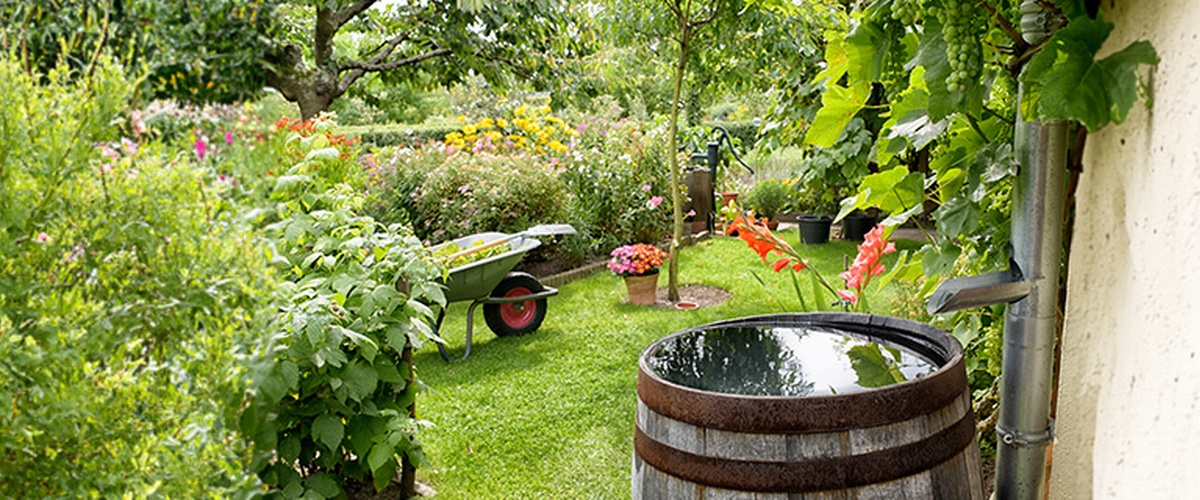
We bet you’ve heard of the 3R principle of waste management; Reduce, Reuse, Recycle. However, did you know that there’s also a 4R principle for water efficiency?
The 4R Principles of Water Conservation
One of the best ways to help you conserve water and reduce your monthly water bill is by checking fixtures and appliances for leaks.
Signs you might have a leak:
- Hearing running water and/or dripping.
- Pooling water under sinks and appliances
- Rust along pipes and water heaters
- Discrepancies in the reading of your home's water meter. Check your online water data for unusual consumption that might indicate leaks.
If you do have a leak, you will need to play detective to find the source. The most likely culprits are:
- Toilets
- Faucets
- Showerheads
- Service lines
- Sprinkler systems
Check out this guide based on information from the EPA to help you chase down your leaks. If you are unable to determine the source of the leak, you may need to contact a plumber.
The most common leak culprit in homes - Toilets
Did you know that a standard toilet will account for, on average, roughly 30% of the total water used in a household? Toilets also happen to be one of the most common places to find leaks in your home. This means that the potential for wastewater is quite significant when leaky toilets are left unaddressed. The good news is that many toilet leaks can be fixed by the average do-it-yourself plumber.
How does a toilet work?
When we flush the toilet, the handle lifts the toilet tank flapper, which allows water to flow through the tank's drain and into the toilet bowl. As water drains and the water level in the toilet lowers, this causes the flapper to close, sealing the tank again and allowing it to fill with water for the next use.
Possible culprits of a leaky toilet include: