
The Hydrological and Urban Water Cycle
The water cycle, also known as the hydrological cycle, involves the continuous circulation of water on, above and below the surface of the Earth, cycling between the land, ocean, and atmospheric systems. Water is constantly moving, changing between a liquid, vapour and solid state, while interacting with the Earths physical, chemical, and biological environments. Water is stored for varying lengths of time in a number of different forms including atmospheric vapour, lakes and rivers, soil moisture, groundwater, glacial ice, and snow on the ground. Water transfers from one environment to another via processes like surface runoff, transpiration, infiltration, percolation, and wind.
Water is a powerful environmental element, constantly reshaping the face of the earth and allowing life as we know it to exist (Canada). Though the Water Cycle is complex, the three most fundamental processes are:
Evapotranspiration
- Evapotranspiration is the sum of all processes by which water migrates from land or the ocean’s surface, into the atmosphere via evaporation and transpiration. Environmental factors such as temperature, humidity, wind speed and solar radiation all contribute to evapotranspiration, transitioning water from a liquid state into a gaseous, vapour state.
Condensation
- Condensation is the process where water vapour turns into a liquid state. As water vapour rises in the atmosphere, the temperature begins to drop, cooling the water vapour and condensing it into tiny liquid water droplets suspended in the atmosphere that we recognize as clouds, mist, and fog.
Precipitation
- Precipitation is the physical process of water falling to the surface of the earth.
- Gradually, heavier liquid water droplets will accumulate inside clouds until they can no longer remain suspended in the atmosphere. Eventually, gravity causes the larger droplets to fall to the earth surface again in a variety of forms ranging from rain, snow, sleet, or hail, to dew, and frost.

In Sudbury, surface water and groundwater are the primary water sources that we draw drinking water from.
Surface Water
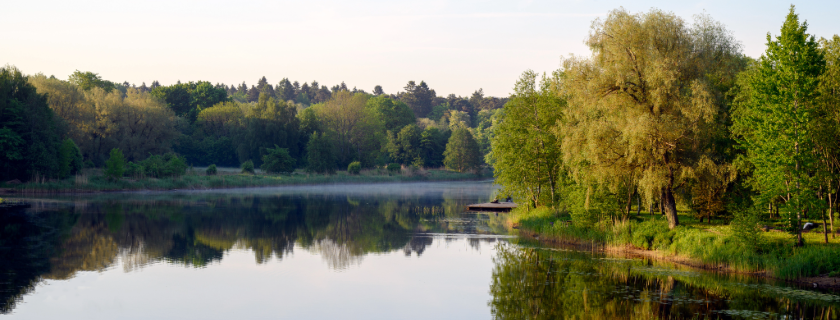
Much like gravity is the driving force behind precipitation, it also influences rain, melting snow and stormwater to flow towards lower lying land depressions, accumulating as streams, rivers, ponds, and lakes. Surface water is the term used to describe water that is located above the grounds surface, and it is found all over the world in a variety of different environments!
In Sudbury one out of every five hectares of area is covered by surface water. The Sudbury area is comprised of 330 large lakes, three major river systems and many wetlands.
Ground Water
Similar to how melting snow, rain and stormwater recharge surface water sources, water also penetrates though the soils surface, percolating into the grounds saturated zone, in a process known as groundwater recharge (Canada.ca). The physical process of water penetrating the surface of the ground is called infiltration, while percolation is the term used to describe the movement of water through the soil.
Primary zones where groundwater is found
- The unsaturated zone is the most superficial region beneath the ground surface that contains both water and air pockets.
- The saturation zone is the deeper region of the ground where all the space between soil material is filled solely with water.
The border between both zones is known as the water table and its depth below the surface of the ground can vary from just a few feet to hundreds of feet in depth.
How water percolates through the ground
- Porosity is a natural property of every material and refers to the amount of empty space that exists within a given material. Different soil types will have varying amounts of space between rock material that will allow air and water to penetrate through it.
- Permeability is another natural property of materials, and it refers to the connectivity between pore spaces in a material. Permeability dictates how easily fluids can flow through material while porosity refers to the size of the pores within a material.
As climate change progresses in the coming years, it is anticipated that the Greater Sudbury region will experience fewer annual wet days, creating more dry conditions throughout the year. Though precipitation is expected to become less frequent, the occurence of extreme rainfall events is predicted to become more prevalent.
Prolonged drought conditions cause the ground to become more compact. Consequently, stormwater quickly travels along its surface rather than filtering through the ground, eroding soil while picking up sediment (sand, clay, and silt), environmental toxins, chemicals, and germs before flowing directly into streams, rivers, lakes, or municipal sewer drains.
The City of Greater Sudbury owns and is responsible for the management and operation of:
- Two surface water treatment plants
- Roughly 1,796 km of watermains
- Six groundwater treatment well fields with unique distribution systems
- One independent distribution system that conveys purchased potable water from Vale's Vermillion Water Treatment Plant
Surface Water Treatment Plants
1. The Wanapitei Surface Water Treatment Plant
Located between Coniston and Wahnapitae, the Wahnapitae treatment plant is a conventional surface water plant, that receives water from the Wanapitei River.
Five pumps convey the raw water several kilometers to the plant for treatment (2021 Annual Report).
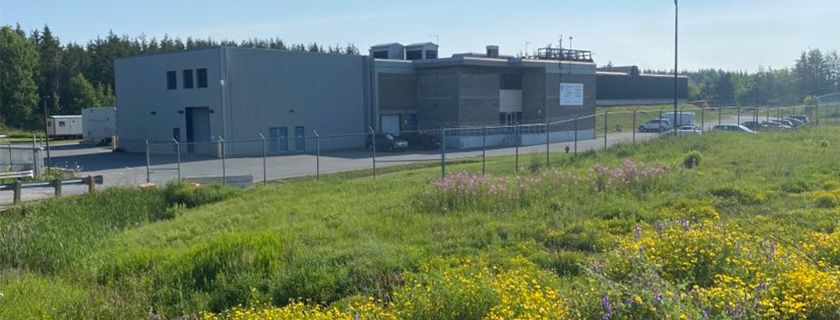
The Wanapitei surface water treatment process follows these steps:
The treated water is subsequently pumped to Markstay, Coniston, NEW SUDBURY and the Ellis Reservoir for distribution, servicing approximately 60% of Sudbury residents.
2. The David Street Surface Water treatment Plant
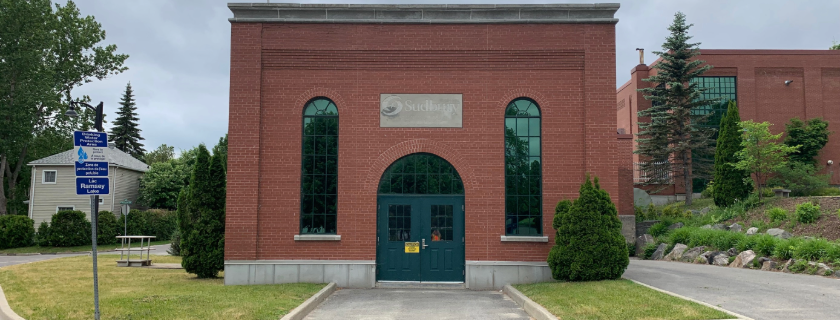
Like Wanapitei, the David St. Water Treatment Plant is a surface membrane water plant. This plant draws water from Ramsey Lake.
The raw water intake is located at a distance of approximately three hundred meters from the shores of Ramsey Lake.
The treated water is subsequently pumped to the south, west, and downtown areas of the City, as well as the Ellis reservoir.
The David street plant services approximately 40% of Sudbury residents and produces roughly 8 million cubic meters of drinking water annually which is impressive when we consider that the building is over 100 years old. The plant has undergone numerous upgrades throughout the years to meet changing demands and regulations, however the building itself remains a heritage site here in Sudbury.
Groundwater Treatment Well Fields
In the city of lakes, the vast amount of water stored beneath our feet as groundwater might go unnoticed. Yet, groundwater is an important drinking source for many residents who reside in the Greater Sudbury regions.
Once treated, water is ready for distribution to users. The water network, spanning roughly 1,796 km of pipes and tunnels in Greater Sudbury, delivers water from treatment plants to homes and buildings. The system primarily uses Polyvinyl Chloride (PVC) pipes, but also includes Ductile Iron, Cast Iron, Steel, High Density Polyethylene (HDPE), and Concrete.
Water from the Wahnapitae plant is pumped to Markstay, Coniston, or New Sudbury, while the David Street plant supplies water to the south, west, and downtown areas. Both plants also send water to the Ellis Reservoir, where it is stored before being redistributed.
The water distribution system consists of a network of pipes that transport potable water from a treatment facility to customers who are serviced within the system. Sudbury’s distribution system is made up of three primary types of service lines.
- City water mains that deliver potable water from the City’s treatment plant to neighbourhoods.
- Public service lines that connect City watermains to private properties.
- Private service lines that receive water from the public service line and distribute it to all buildings on a property.
NOTE: The dividing point between the public and private service is located at the property line.
The drawing below illustrates the public and private components of the water distribution system.
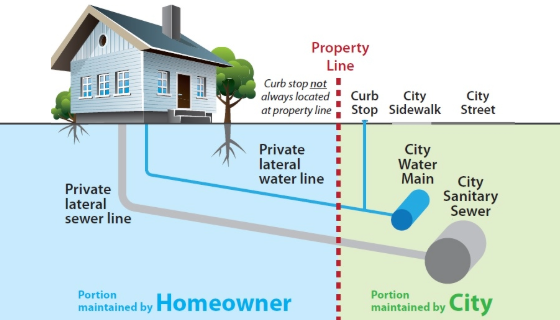
The City owns the public water distribution system which carries potable water from the City’s water treatment plant to homes served by the system, and is responsible for:
- Regular inspection, maintenance, repair, rehabilitation, and replacement of watermains within the City’s water distribution system.
- The replacement of any public lead service lines to a material approved by the City.
Property owners are responsible for the maintenance of any private service lines located within the property line, including:
- The installation, repair, maintenance, and replacement of private water service lines that connect the City owned service lines to the buildings on their property.
- The installation, repair, maintenance, and replacement of the plumbing within the home.
- The hiring of an approved licensed contractor when necessary to complete any work and ensuring the procurement of all associated permits
Water flow through watermains
The water distribution system is pressure driven from the City’s two water treatment plants and booster stations. Drinking water is distributed through the system by using pumps at booster stations that create pressure differences which dictate the flow of water within the system.
Unlike air, liquid water is incompressible, therefore any force exerted on it will cause it to experience one of three states of motion.
- Laminar flow : a relatively smooth linear flow
- Turbulent flow : convective flow (changes in the orientation, density, and flow rate of water)
- Transitional flow: section where the flow behavior gradually changes from laminar to turbulent
The large pumps at water treatment plants and booster stations can send pressure waves through the system as they turn on and off, adding unnecessary stress to water distribution infrastructure. Maintaining a laminar flow within the water distribution system helps to minimize pressure and stress on water/wastewater infrastructure.
Finding and repairing leaks in the Water Distribution System
Leaks are a common issue in both homes and the City’s water distribution system. As the community grows and water demand increases, the City must ensure its system can accommodate this growth. Expanding the system would involve substantial upfront and ongoing costs.
Water and wastewater operations are the most energy-intensive municipal services. Reducing leaks helps conserve energy, delays costly system expansions, and supports the City’s goal of achieving net-zero emissions by 2050, as outlined in the Community Energy and Emissions Plan (CEEP).
Leaks in water systems are a global challenge, driven by various factors such as:
- Aging infrastructure
- Defective materials
- Corrosion
- Pressure surges
- Ground and soil movement
- Ground vibrations caused by construction, or earthquakes.
What the City is doing
Treating the water distribution system with care helps minimize leaks.
The City has conducted many studies and projects that, combined, have led to the discovery of substantial leaks within our water distribution system. Studies of our water distribution system have also led to upgrades and design recommendations that help minimize pressure waves within the system.
There are also a variety of tools and techniques used by the City to find leaks in our water distribution system.
- City operators use sound devices on metallic pipes to hear leaks (similar to when you turn on the water in a home and hear the old pipes creak). New technology is also being placed in hydrant caps connected to metallic watermains to scan for any sounds of leaks.
- Advanced Meter Infrastructure (AMI) technology also allows the City to compare the volume of water distributed from all water treatment facilities to the amount of water consumed by customers, giving City staff a more accurate understanding of the total water losses in the system in real-time.
What you can do
Try to conserve more water by incorporate the 4R principles for water efficiency into your daily routines:
- Reduce overall water usage
- Reuse non-potable water around your home as much as possible
- Repair leaks in your home
- Replace faulty appliances and fixtures
Learn more about water conservation and how to become a leak detective!
Generally, household plumbing consists of water supply lines that receive drinking water from public watermains, as well as wastewater sewer drains that flow into the municipal sanitary sewer system. Households are also equipped with “cleanouts” which allow access to the inside of wastewater pipes in the event of a blockage.
Water Supply Lines
The municipal drinking water system is typically pressurized between 40 – 80psi which enables the flow of water throughout households and buildings. If you receive municipal water, you will find a curb stop has been installed at your property line.
Wastewater Drainage System
Sewer drains collect wastewater from a household or business and introduce it to the municipal sewer system which transports the wastewater to treatment plants or lagoons. The municipal sanitary system collects sewage from all properties that are serviced within it.
Sewage and wastewater are interchangeable terms that describe used water from a household or building. Sewage can consist of greywater sources like dirty dishwater, or soapy water from bathtubs, and washing machines as well as blackwater sources where toilets use water to flush human waste away from homes and buildings.
Our municipal wastewater system protects lakes, streams, and rivers in the Greater Sudbury region from contaminants that would otherwise compromise the quality of these water bodies. Once used, water must again undergo treatment before it can leave the system and be reintroduced to nearby watersheds. The sanitary sewer system collects sewage from properties that are serviced within it. Private sewer lines are connected to the City’s sanitary network of pipes which transport sewage to wastewater treatment plants and lagoon systems.
Wastewater originating from homes and buildings within Garson, New Sudbury, Minnow Lake, Downtown, Copper Cliff, the West End, and the South End is transported to the Kelly Lake Wastewater Treatment Plant, while Greater Sudbury communities are equipped with separate sanitary systems that direct sewage to their respective sewage treatment plants or lagoons.
Sewage transport in the Sanitary Sewer System
The sanitary sewer system differs from the water distribution system by using gravity to move sewage from higher to lower elevations. Wastewater flows downhill until it reaches a low point in the system. When it needs to be lifted to higher elevations, lift stations are used. These stations, located at low points, pump wastewater to higher areas where it can flow downhill again.
Lift stations create pressure differences that move wastewater toward areas of lower pressure, even at higher elevations. Wastewater collects in an underground tank, or wet well, where sensors monitor the water level. When the level reaches a certain point, submersible pumps activate, forcing wastewater through a force main pipeline. Some lift stations use submersible pumps, located in the wet well like a sump pump, while others use dry well pumps connected to the wet well via piping.
Challenges of the Sanitary System - Stormwater
Greater Sudbury Water, wastewater Compliance Officers monitor properties and enforce Greater Sudbury's Sewer Use By-law 2010-188. This by-law prohibits:
How you can help prevent sewer backups in the sanitary system
Remember:
- Collect stormwater using rain barrels, and install preventative plumbing on your property
- Ensure your home's rain gutter downspouts, weeping tiles, and sump pit systems do not drain directly into the sewer system
- Your toilet is not a trash can—only human waste and toilet paper should enter the sanitary sewers.
To learn more about Inflow and Infiltration, preventative plumbing, the Residential Inflow and Infiltration Subsidy Program (RIISP), or how to protect your homes plumbing checkout the following links:
Sewage arrives at treatment facilities through our wastewater collection system, to be cleaned.
The Kelly Lake wastewater treatment plant receives sewage from areas of Garson to Copper Cliff, while Greater Sudbury community's direct wastewater to an additional 9 wastewater plants and two wastewater lagoons for treatment.
The Kelly Lake Wastewater Treatment Steps
The wastewater treatment process of the Kelly Lake plant consists of a pre-treatment process, a primary treatment process and a secondary treatment process, with the entire treatment process taking anywhere between 24–36 hours. Once the water arrives at the Kelly Lake facility, the water must be raised 30 meters to the ground surface using a lift station where it undergoes many treatment steps.