
A Guide to Community Gardens in Greater Sudbury
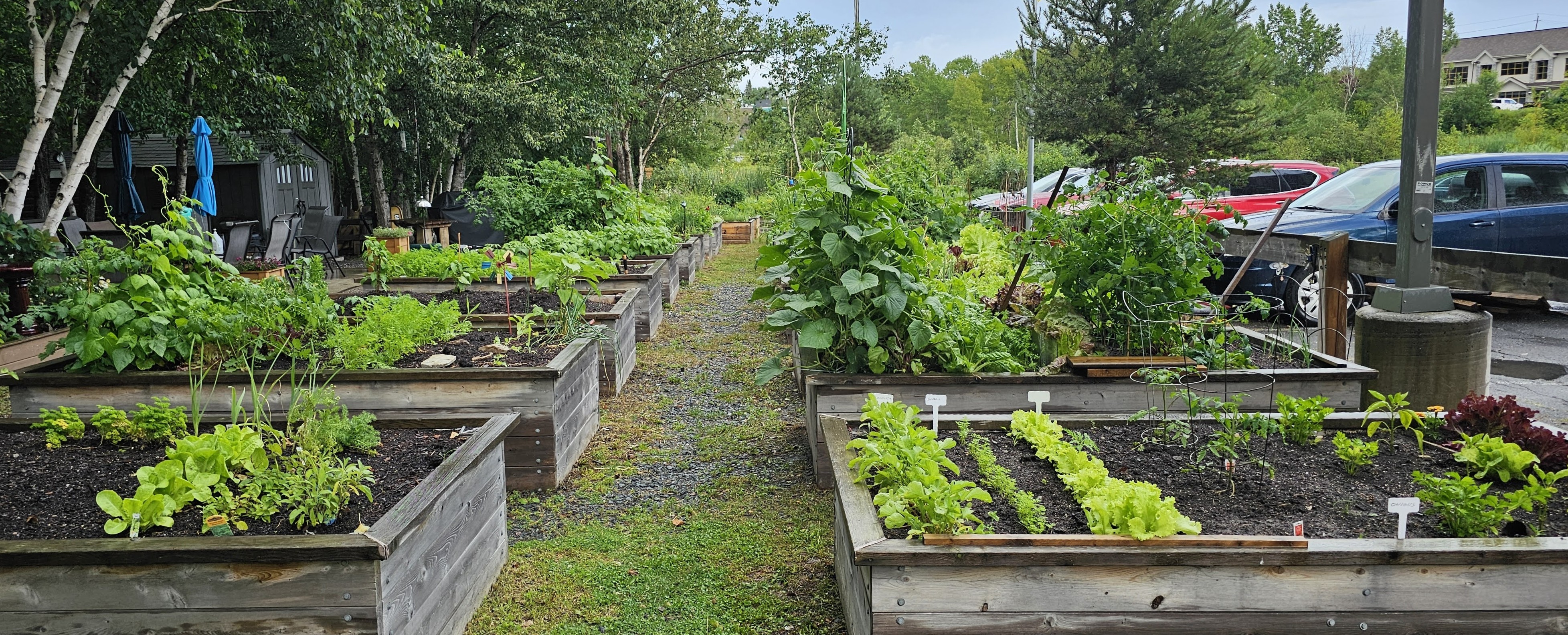
Community gardens are shared spaces where people of all ages and backgrounds can come together to grow vegetables, herbs, fruit and flowers. These gardens can be located on City-owned land such as parks, greenspaces, community housing, or on private property. They help make productive use of underutilized land and provide a sense of community, building stronger connections with both the environment and neighbours.
Benefits of Community Gardens
- Fresh food: Grow your own produce and share with others.
- Stronger community: Build connections with neighbours.
- Health and wellbeing: Enjoy the physical activity of gardening and the mental benefits of spending time outdoors.
- Environmental impact: Support sustainability, reduce food miles, lower your carbon footprint and transform unused spaces into vibrant, productive gardens.
- Civic engagement: Participate in local activities and make a positive difference.
In Greater Sudbury, these gardens are maintained by dedicated volunteers, local food champions and neighbourhood groups. These participants learn and share knowledge about healthy eating, food security, gardening and conservation practices, with an emphasis on building a healthy and sustainable community. There are various types of community gardens, ranging from member-based gardens, to communal gardens or full public access gardens.
Types of Community Gardens
Each type of garden offers a unique way for people to grow food and connect with others. Whether it’s through private plots or shared spaces, these gardens provide opportunities for everyone to get involved in their community and environment.
- Allotment gardens: Individuals or groups are assigned plots to grow their own food.
- Collective gardens: Volunteers share the responsibility of growing and harvesting produce.
- Public gardens: No assigned plots; everyone shares the harvest.
- Benevolent gardens: Areas specifically designated to grow food for donation to food banks and local organizations.
- Combination gardens: A mix of individual plots, shared spaces, and donation areas.
Get Involved
Whether you’re an experienced gardener or just looking to support your local community, there are several ways you can get involved in a community garden:
- Volunteer: Community gardens rely on volunteers for maintenance. Tasks include planting, watering, weeding, composting and maintaining the garden’s infrastructure. Volunteers can also help organize events or raise awareness to get others involved.
- Request a garden plot: Many community gardens offer plots that individuals or groups can request or rent for personal use. Contact your local Community Garden Coordinator to inquire about available plots and terms of use.
- Join garden workdays or events: Participate in garden community workdays or workshops. This is a great way to meet other gardeners, learn new skills and help the garden grow.
- Become a community garden coordinator: Take on a leadership role by becoming a community garden coordinator. Organize volunteers, coordinate activities and ensure the garden runs smoothly.
Support Community Gardens
In addition to volunteering, you can support the garden in many other ways:
- Donate: Community gardens often need gardening tools, soil, seeds and plants. If you have any extra supplies or resources you can donate, consider offering them to a local garden. Items like hand tools, gloves and watering cans are always appreciated.
- Sponsor materials for maintenance and upkeep: Gardens require regular maintenance. Financial support for materials like mulch, soil amendments, watering systems and garden boxes can help keep the garden running. Small sponsorships can also assist with repairs or upgrades, contributing to the garden’s long-term viability.
- Fundraise: Help organize or participate in fundraising efforts to raise funds for garden improvements.
- Share your expertise: If you have specialized gardening knowledge, consider offering workshops on topics like seed starting, seed saving, organic gardening, attracting pollinators or composting to help others grow their skills and connect with the gardening community.
- Advocate for community gardens: Raise awareness by sharing about community garden on social media, at local events or through engagement with community leaders.
- Partner with local businesses or organizations: Local businesses and organizations can support gardens through donations, sponsorships, or discounts on supplies. Schools can also use the garden for educational programs.
Find a Community Garden
If you’re looking to find a community garden near you or want to learn more about existing gardens, there are several resources available to help:
- EarthCare Sudbury Food Access Map: This online map lists community gardens, food banks, local farms, farmer’s markets and other food programs. It provides easy access to garden locations and contact information.
- Sudbury Community Garden Network (SCGN): The SCGN website connects gardeners and offers valuable resources. You can also contact the Community Garden Coordinator for more information on joining or getting involved with a garden.
Join the Sudbury Community Garden Network
This volunteer-driven organization supports local gardening initiatives and aims to increase access to community gardens in the Greater Sudbury area. Access gardening resources on the website and connect with fellow gardeners to share tips and ideas for sustainable gardening practices. By joining the network, you’ll become part of a community that supports local food production and environmental stewardship and community well-being, all while gaining valuable gardening skills.
Start or Expand a Community Garden
Starting or expanding a community garden is a rewarding way to bring people together, enhance local food security, and create a vibrant green space in your neighborhood. Whether you're looking to transform an unused plot into a thriving garden or expand an existing one, the process requires careful planning, collaboration and community support. The following 10 steps will guide you through the process of starting a community garden on City-owned land, from building a vision and gathering support to ensuring the garden's long-term sustainability. By following these steps, you can turn your gardening ideas into a reality and create a space that benefits everyone in your community.
1. Shape a vision and build a team
- Share your vision with local residents, schools, businesses, community groups and the Ward Councillor to gather support. Start early to build interest and ensure the community is on board.
- Organize a meeting of interested individuals to assess if the garden is needed and wanted, discuss what type of garden it should be, and identify whom the garden will involve and who benefits.
- Form a community garden committee with committed members, each contributing a few hours per week. Appoint a well-organized person as the garden coordinator who will represent the garden and liaise with the City of Greater Sudbury.
- Set clear goals for the project, and establish additional committees for specific tasks like fundraising, construction, youth activities, workshops and events.
2. Submit your idea
- Submit your proposal to City’s Community-Led Projects Team, who will guide you through the process. Include potential garden locations and a site plan. Visit the Community-led Projects Guide for more details.
- Highlight community support by detailing commitments from partners and the dedicated Community Garden Committee.
3. Get approval
- The City’s Community-Led Projects Team will review the proposal, including the location suitability, community need and overall plan.
- Secure City approval before proceeding with fundraising or detailed planning.
4. Planning
- Once approved, the Community-Led Projects team will assist you in developing a budget, designing the garden layout and planning key elements like garden boxes, water sources and storage. Consider accessibility and sustainability in your design.
- The team will work with your group to ensure your plans meet all necessary requirements.
5. Finalize and secure funding
- The Community Garden Committee is responsible for raising 100 per cent of the project costs through grants, fundraising and donations. Work with the Community-Led Projects team to confirm your funding sources and secure commitments.
- Establish a contingency fund for unexpected costs.
6. Complete a community garden agreement
- The community garden committee will enter into an agreement with the City that outlines responsibilities, insurance requirements and maintenance commitments. The agreement will also include a section detailing procedures for addressing the site if the garden is discontinued.
7. Build the garden
- Once all funding is secured, the City will assign a project manager to oversee the construction and ensure all policies and procedures are followed.
- Organize volunteer work crews to prepare the land and build the garden plots.
8. Determine garden rules
- Work with garden members to create clear guidelines and rules covering plot assignments, maintenance responsibilities, tool sharing and other operational aspects. The community is more likely to comply with rules that they help create.
9. Foster communication and engagement
- Maintain good communication through email lists, a rainproof bulletin board or other methods.
- Host regular activities, workdays or celebrations to encourage participation and strengthen community involvement.
10. Plan for sustainability and growth
- Develop strategies for the garden's long-term sustainability, including leadership succession, ongoing funding and community engagement.
- Consider expanding the garden or initiating new projects based on community interest and resources.
What’s Required for Approval
To operate a garden on City-owned land, the following are required:
- Volunteers to operate and manage the garden: A dedicated group of at least five volunteers is essential for managing and maintaining the garden.
- Clear neighbourhood support: There must be strong backing from the community.
- Access to water: Ensure a reliable water source is available, such as municipal water, rain barrels or water storage containers.
- Suitable site: The location should have adequate sunlight (six to eight hours of direct sunlight), good soil quality and proper drainage to support healthy plant growth. The site must be appropriate for gardening activities and be able to accommodate the features and functions of the proposed garden.
- Compliance with accessibility standards: The garden must meet accessibility standards, ensuring that it is inclusive and usable for people of all abilities. This includes features like garden beds and pathways that comply with the Accessibility for Ontarians with Disabilities Act (AODA). Additionally, consultation with the Accessibility Advisory Panel is required when planning or making major changes to public spaces. These consultations help ensure that all design elements align with accessibility needs and best practices.
Key Features for New or Expanded Gardens
- Raised or ground-level garden plots: Provide a variety of garden plot options, including raised beds for easy access and ground-level plots to accommodate diverse gardening preferences and abilities.
- Accessible garden beds: Gardens are encouraged to include AODA-compliant garden beds to ensure that individuals with mobility issues, visual impairments and other accessibility needs can actively participate.
- Inclusive pathways: Pathways throughout the garden should meet AODA standards, ensuring that they are wide, smooth and free of obstacles, making it easy for individuals of all abilities and users of any mobility aids to navigate the space.
- Bilingual signage and contact information: Bilingual signage should be displayed throughout the garden, providing important information such as garden rules, contact details and any relevant instructions in both official languages.
- Sustainable and eco-friendly design: Incorporating eco-friendly elements, such as rainwater collection systems, composting areas, pollinator plants and native plantings, contributes to environmental sustainability within the community garden.
- Security and community well-being features: Ensure safety and security by selecting a location with good lighting and clear sightlines, where possible. You may also want to request a Crime Prevention Through Environmental Design (CPTED) assessment from Greater Sudbury Police. This assessment helps identify risks and suggests ways to improve safety, ensuring the garden remains a secure and welcoming space for all.
Who Will Operate the Community Garden?
The success of a community garden relies on a dedicated group of individuals who will manage its operations and growth. The community garden committee is responsible for overseeing the project, organizing activities and ensuring the garden remains a vibrant and sustainable community space. While gardening knowledge is helpful, skills in leadership, communication, organization and project management are equally important. This team plays a key role in maintaining the garden and fostering community involvement, requiring a significant time commitment to ensure its success.
The Community Garden Committee will:
- Oversee projects, organize activities and ensure the garden remains a vibrant and sustainable community space
- Coordinate garden activities
- Manage resources like tools, compost and water
- Handle budgeting, fundraising and planning for long-term sustainability
- Cover all expenses related to the operation and maintenance of the garden
- Promote sustainable gardening practices
- Build relationships with the neighbourhood, including families, youth and senior groups, volunteer organizations and local businesses to ensure ongoing support and volunteer participation. This is key to keeping the garden thriving and active.
Volunteers
Volunteers are essential for the day-to-day care of the garden. Their responsibilities include:
- Maintaining plots: Planting, watering, weeding and harvesting.
- Participating in workdays: Helping with seasonal tasks such as clean-ups and garden preparation.
City of Greater Sudbury Support
The City supports community gardens by working with community garden committees to provide the following assistance:
- Planning and development support through the Community-Led Projects process
- Providing access to suitable land for gardens
- Giving guidance on site preparation, permits and regulations
- Providing garbage and recycling collection services, as well as municipal water where available
- Guidance for fundraising and budgeting for garden needs
- Assistance in applying for Healthy Community Initiative (HCI) grant funds to support fundraising efforts
Community Garden Costs
Starting and maintaining a community garden requires investment, at the beginning and throughout the garden’s life. These costs depend on the size and type of garden you want to create. It's important to plan ahead and raise the funds needed before starting.
- Site preparation: This includes clearing the land and preparing the site for planting.
- Plot construction and/or raised beds: Raised beds are commonly used because they make gardening easier and more accessible. While some gardens may have traditional ground plots, raised beds are often the preferred choice. They are typically made from wood, though galvanized steel options are also available. The steel beds only require assembly and tend to last longer, offering a more reliable, low-maintenance option compared to wooden garden boxes, which can rot over time.
- Hoses and tools: Basic gardening tools like shovels, rakes, hoes and watering cans are essential. Hoses or irrigation systems will be necessary to ensure the garden remains adequately watered, especially during dry spells. Consideration should also be given to tool storage options to protect these resources from weather and theft.
- Signage: Clear signage is an important part of the community garden, as they provide key information about the garden, such as the type of community garden it is, sponsors and contact details. In accordance with City regulations, signage text on City property must be in English and French.
- Water supply: A reliable water source is crucial to the garden’s success. If municipal water is not available, the garden may need to invest in rainwater collection systems or water tanks. The costs for this will vary based on the location and accessibility of water.
- Shed or other storage: A storage shed is useful for keeping other investments like tools and supplies secure. It requires an initial investment in materials and construction.
- Fencing or borders: These can help protect the garden from animals and clearly define its boundaries. While not all gardens have fencing due to its high cost, shrubs or natural plant borders can be a great alternative to distinguish the garden area from the surrounding greenspace. This option is more affordable, while still creating a defined space.
- Ammenities: Optional features like benches, picnic tables or shade structures can make the garden a more inviting space for the community.
- Ongoing maintenance costs: After the garden is set up, there will be ongoing costs to keep the garden operating. This may include replenishing soil, adding mulch, repairs to the garden beds or maintaining irrigation systems.
All of these costs must be planned for and fundraised before any construction begins. Securing grants, sponsorships and community support can help cover both initial and ongoing expenses to ensure the garden’s long-term success.
Next Steps
Community gardens in Greater Sudbury offer significant benefits to individuals and neighbourhoods alike. Whether you're looking to grow your own food, volunteer or start a new garden, there are many ways to get involved.
For more information, please contact MyCommunity@greatersudbury.ca.